ArtTech Fusion: Exploring the Future of Entertainment and Cultural Heritage
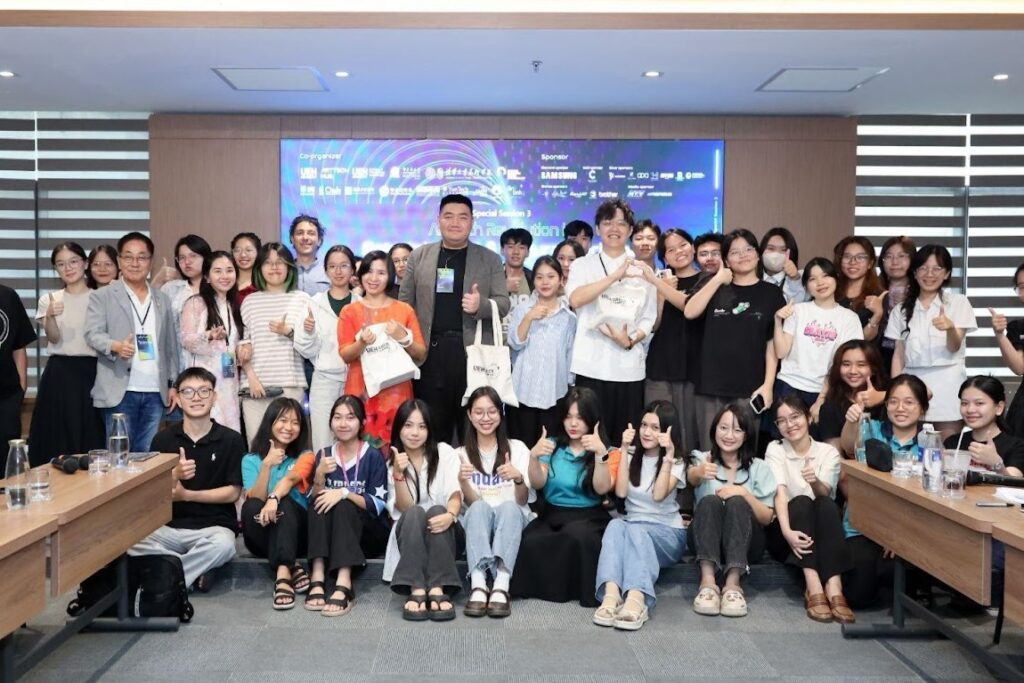
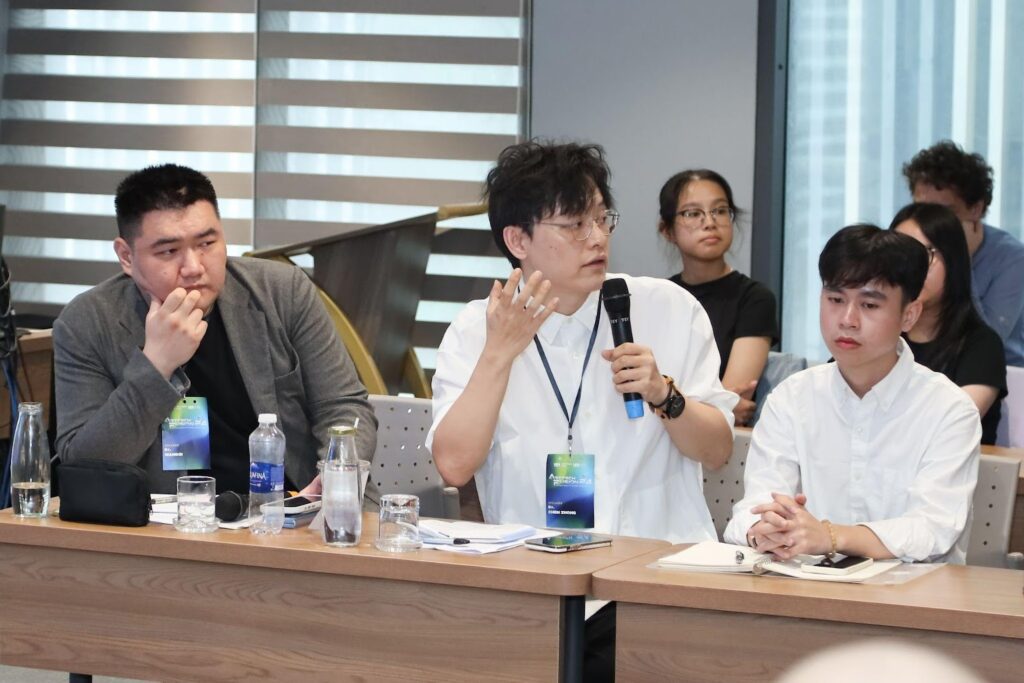
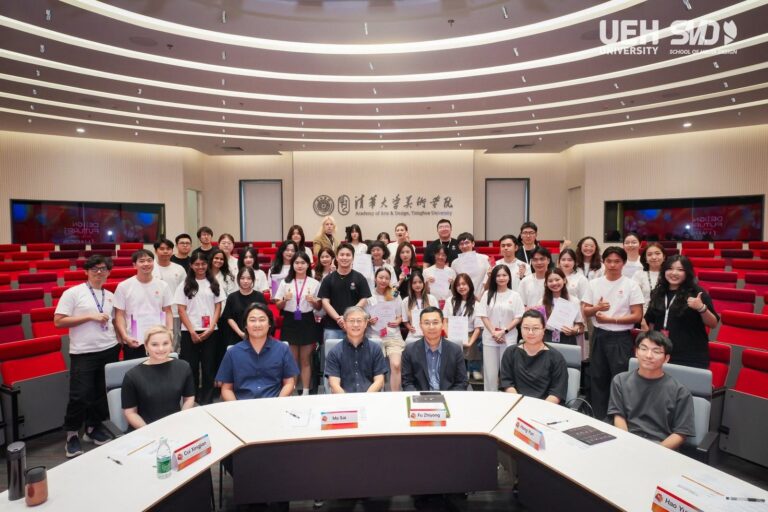
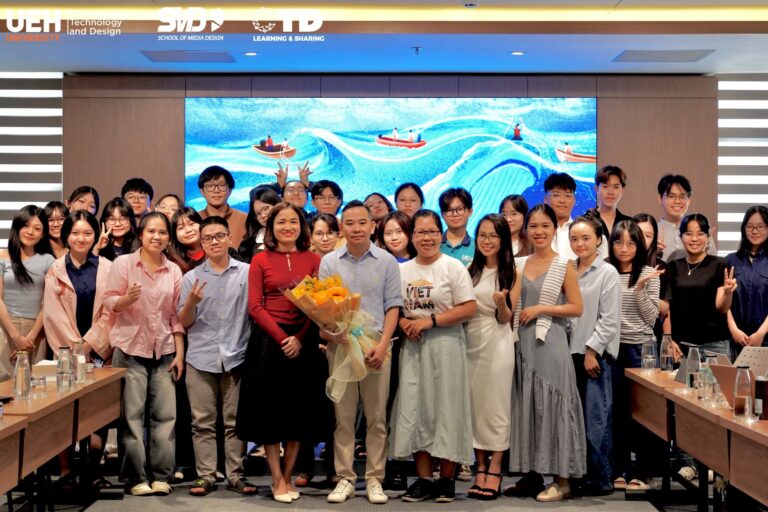
As part of the ArtTech Fusion series organized by the University of Economics Ho Chi Minh City (UEH), the discussion session titled “ArtTech Revolution in Entertainment and Cultural Heritage” brought together leading experts, researchers, and students passionate about the intersection of art, technology, innovation, and sustainable development.
The event served as a dynamic platform for knowledge exchange, offering groundbreaking perspectives on how emerging technologies can reshape creative industries while contributing to the preservation and revitalization of cultural heritage. Through insightful presentations and interdisciplinary dialogue, participants explored the transformative role of ArtTech in creating immersive experiences, expanding access to culture, and ensuring the long-term sustainability of cultural assets in the digital age.
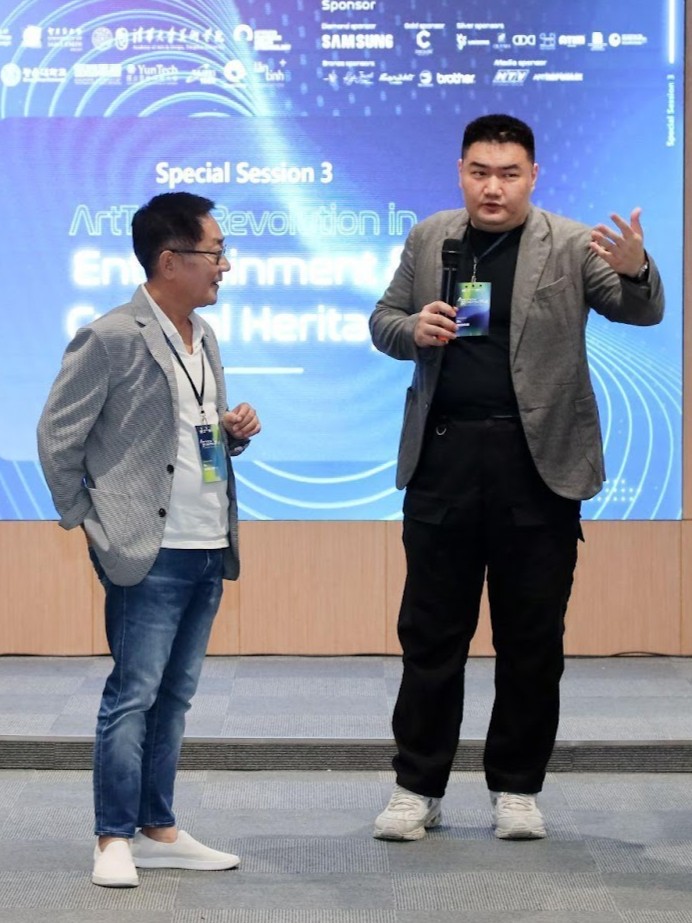
The session was chaired by Dr. Yi Dong Su, Vice Dean of the School of Media Design (SMD), UEH. Distinguished speakers included Dr. Chen Zhong and Dr. Wang Qi from the Xi’an Academy of Fine Arts, as well as Ms. Dao Phuong Thuy from ATIM Consulting. Together, they shared pioneering research, innovative methodologies, and practical applications demonstrating how technology can empower culture and creativity.
Opening the session, Dr. Yi Dong Su presented the topic “The Impact of ArtTech on the Entertainment Industry: The Case of Korea,” highlighting how the convergence of art and technology has transformed Korea’s creative economy and expanded opportunities for contemporary cultural production.
His presentation illustrated how technologies such as Virtual Reality (VR), Augmented Reality (AR), Artificial Intelligence (AI), and immersive digital platforms are reshaping the ways audiences interact with entertainment content. Rather than serving merely as supporting tools, these technologies have become catalysts for entirely new forms of artistic expression and audience engagement.
Drawing examples from Korea’s globally influential music and film industries, Dr. Yi demonstrated how ArtTech has enabled highly interactive virtual performances, immersive storytelling experiences, and digital fan engagement models that connect millions of audiences worldwide. These innovations not only enhance user experiences but also create sustainable growth opportunities for creative industries in an increasingly digital world.
His presentation underscored the idea that technology-driven creativity is no longer a future possibility—it is already redefining how entertainment is produced, distributed, and experienced on a global scale.
Reimagining Cultural Experiences Through Design and Technology
Building on this discussion, Dr. Chen Zhong introduced the concept of “Cultural Services and Experience Design,” emphasizing the growing intersection between cultural needs and digital innovation. He argued that modern cultural services should move beyond delivering information or products and instead create meaningful, engaging experiences that allow audiences to connect with cultural values in deeper and more personal ways.
A key framework presented during his talk was the relationship between “Cultural Needs × Time Dilemma × Digital Empowerment.” According to Dr. Chen, one of the greatest challenges facing cultural designers today is balancing the evolving expectations of contemporary audiences while preserving the enduring value and authenticity of cultural heritage.
To address this challenge, he introduced the “Hourglass Double Diamond Model,” a design methodology that guides the process from problem identification to the regeneration of cultural narratives through digital art and technology. The model encourages designers to explore, refine, and reinterpret cultural elements in ways that remain relevant to modern audiences while respecting their historical significance.
Complementing these ideas, Dr. Wang Qi explored “Service and Experience Design from the Perspective of Art and Technology.” His presentation highlighted how cultural experiences can be enhanced through the integration of artistic creativity and technological innovation. He introduced three core principles—Transformation, Integration, and Drive—as fundamental dimensions of contemporary experience design.
Digital Heritage Preservation for a Sustainable Future
The discussion concluded with a compelling presentation by Ms. Dao Phuong Thuy, who focused on collaborative strategies for preserving cultural heritage through digital technology. She emphasized that digital transformation is not only a preservation tool but also a means of ensuring that cultural values remain accessible, relevant, and impactful for future generations.
One of the highlights of her presentation was the introduction of the DJC Heritage Bank, an O2O platform dedicated to digitizing cultural heritage and promoting sustainable cultural development. The platform serves as both a preservation ecosystem and a channel for showcasing national, family, and personal cultural brands, helping heritage stories reach wider audiences across generations.
Ms. Thuy also shared practical examples of how Artificial Intelligence can contribute to cultural innovation. One notable project involves using AI to analyze traditional Vietnamese motifs and adapt them into contemporary fashion designs. This approach enables cultural elements to be preserved while simultaneously being reinterpreted for modern lifestyles and aesthetic preferences, creating a meaningful bridge between tradition and innovation.